Pancreatic cancer
Treatment studies at every stage, help with symptoms, and research into finding the disease sooner.
Read about Pancreatic cancerRecovery after a stroke can keep going long after the first weeks, and research is looking for ways to help it go further.
A stroke happens when blood stops reaching part of the brain, from a blocked vessel or a bleed. What it leaves behind depends on where it happened: weakness down one side, trouble with speech or understanding, changes in vision, memory or mood. Much of the recovery comes from rehabilitation and from the brain learning new routes.
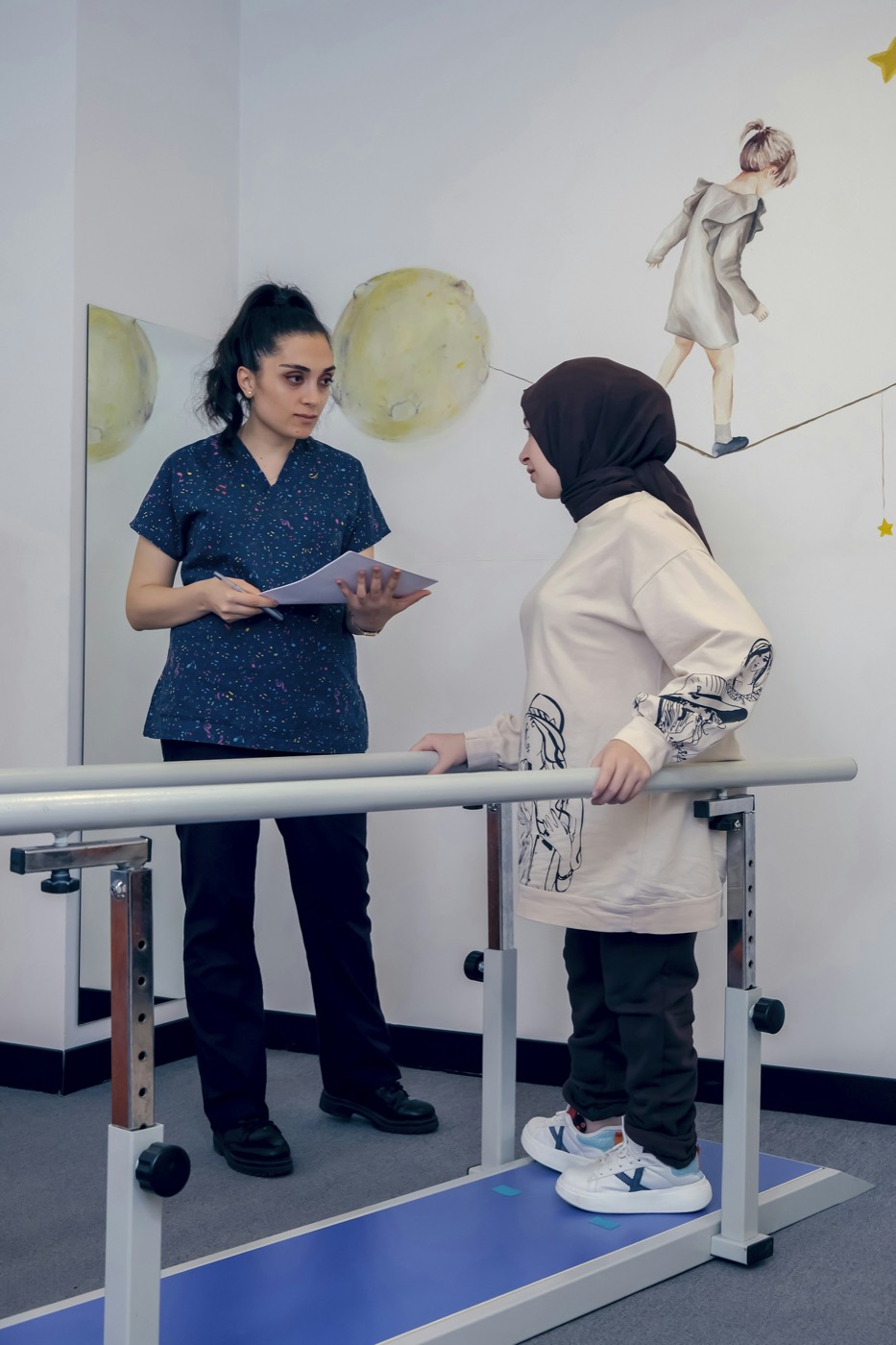
Studies in this area test therapies for the arm and hand, walking and balance, and speech and language. Some add a device, such as brain or nerve stimulation, to therapy. Others test medicines that may help the brain recover, or look at when each kind of therapy is most useful.
Most studies in this area fall into one of these groups. A listing usually says which one in its first lines.
Intensive or robot-assisted therapy to rebuild reach, grip and fine movement.
Training programs, braces and devices that help with steadier walking.
Therapy for aphasia, the trouble finding, saying or understanding words.
Devices or drugs given alongside therapy to see whether recovery goes further.
What studies in this area often involve, and what a study team is likely to ask you for.
Write them down before you call. A good team expects them, and the answers help you decide.
Treatment studies at every stage, help with symptoms, and research into finding the disease sooner.
Read about Pancreatic cancerScarring of the lung tissue, the cough and breathlessness it brings, and the medicines that try to slow it.
Read about Pulmonary fibrosisAmyotrophic lateral sclerosis: medicines that aim to slow it, gene-targeted research, and help with breathing and speech.
Read about ALSSign up with this area chosen for you. We write now and then about research in it, by email, and by text if you check the box.