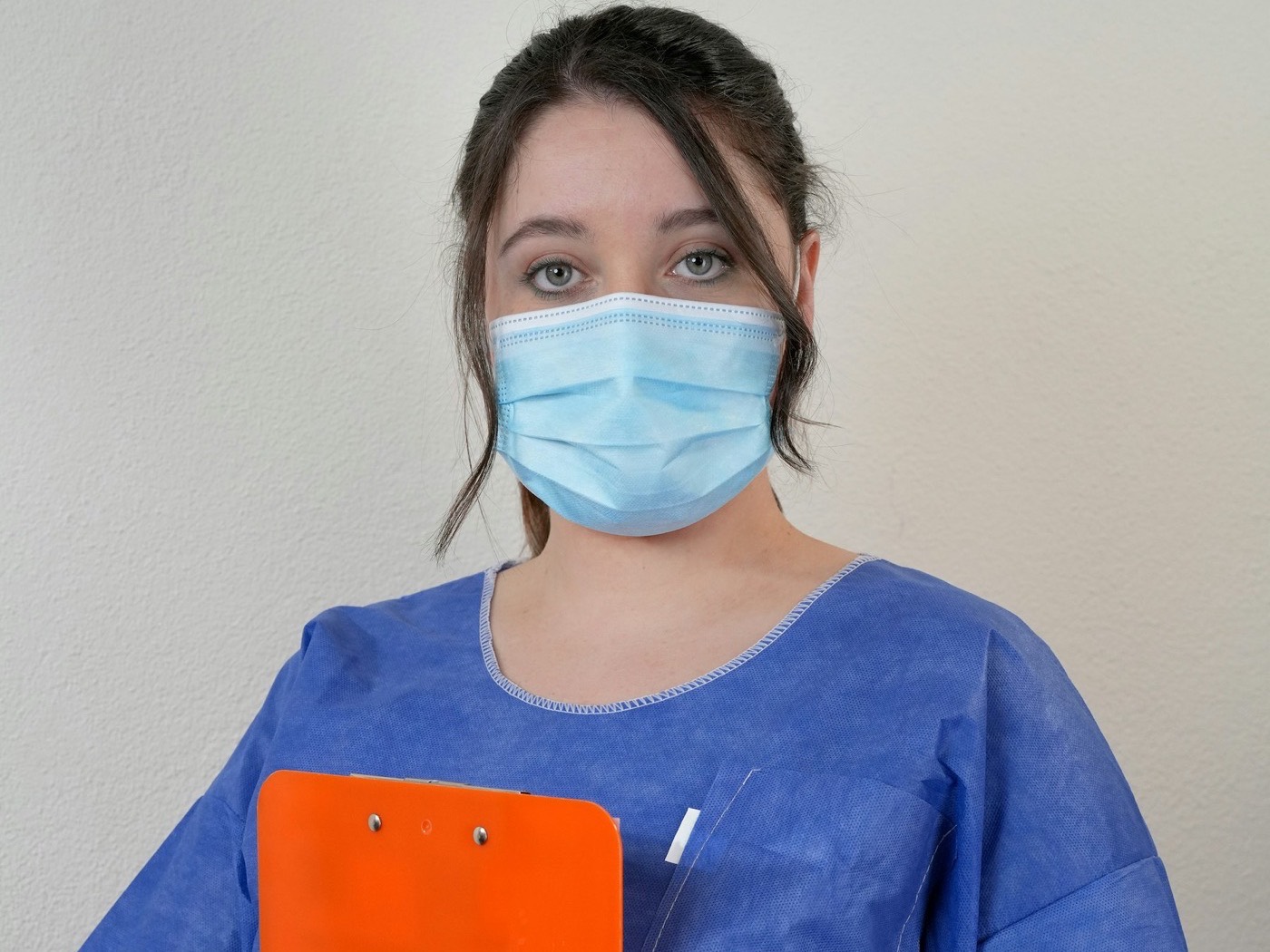
A short folder of dates, results and medicines saves time at every first call, and helps you answer screening questions accurately.
Why it helps
Study teams ask detailed questions early: the exact name of your diagnosis, when it was made, what treatment you have had and when it stopped. Many people know the outline but not the dates, and a half-remembered answer can mean a second call or a wasted trip.
Having your own copies also means you are not waiting for one clinic to send records to another before you can even ask whether a study is worth pursuing.
What to keep
Start with the report that named your diagnosis, such as a pathology report, a specialist's letter or a scan report. Add a list of every treatment, with start and stop dates as close as you can get them, and a list of the medicines you take now, with doses.
Keep the most recent results of the tests that matter for your condition: blood work, breathing tests, scans or gene tests. Note any allergies and any study you have taken part in before.
How to get copies
In the United States you have a right to see and get copies of your medical records. Most clinics share results through an online patient portal, and the records office can send anything missing. There may be a small charge for paper copies.
A simple folder works well, paper or digital. Put the newest results at the front and a one-page summary on top, so you can read from it when a coordinator asks.
General information only, not medical advice. Talk to your own doctor or the study team about your situation.